
5 Best Cat Brush Picks for Short Hair, Long Hair and Shedding
Five cat brushes matched to coat type: an everyday bristle brush, a rubber brush, a steel comb, a deshedding tool and a glove, with vet-based brushing tips.
 By Daniel Mitchell
Updated November 25, 2026

The best cat brush is the one that matches your cat’s coat and that your cat will actually sit still for. Short-haired cats usually do well with a soft rubber brush or grooming glove, while long-haired cats need a comb that reaches down to the skin plus a bristle brush for loose hair. The ASPCA notes that a rubber brush can be especially effective for removing dead hair on short fur, and every source below agrees on the same habit: brush gently and keep sessions short.
The five picks below each do a different job: an everyday bristle brush, a rubber brush, a steel comb, a deshedding tool and a glove. Specs come from each product’s Amazon listing. Brushing also cuts down on the hair that ends up on your furniture, and our guide on getting pet hair off couches, clothes and car seats covers the rest of the cleanup.
Our Top Picks
- Everyday brush for most cats: YiEFUR Self-Cleaning Cat Brush (soft-tip bristles, release button)
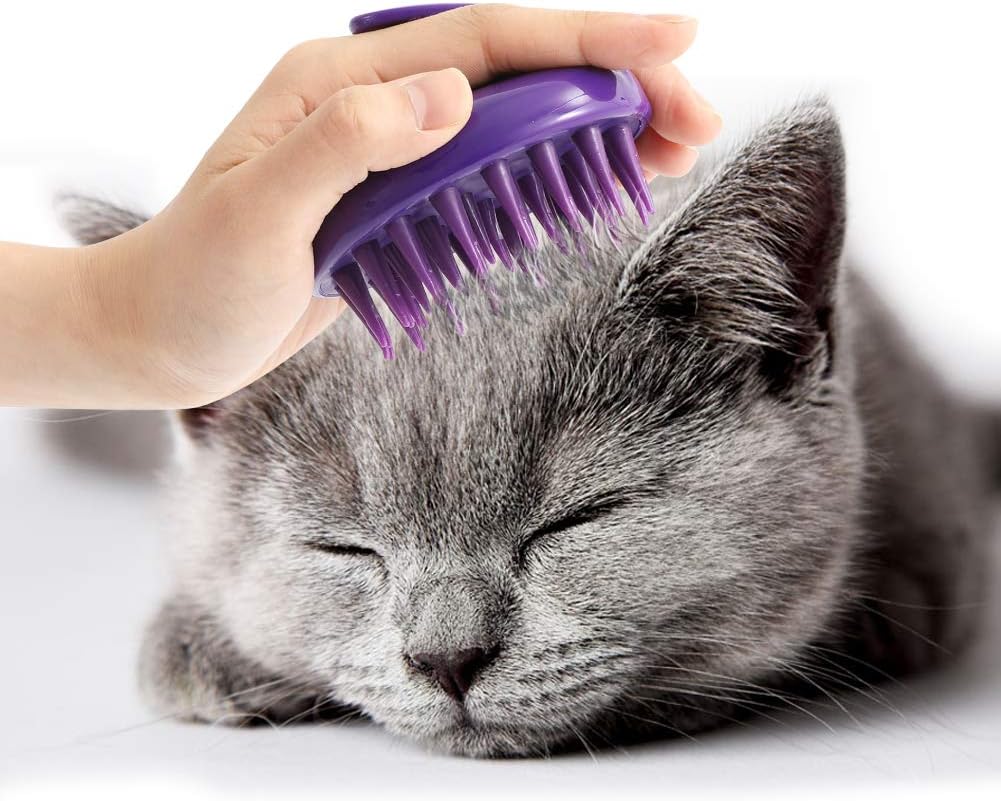
- For short-haired cats: CeleMoon Soft Rubber Brush (silicone pins, washable)
- For long hair and tangles: Andis 7.5-Inch Steel Comb (coarse and fine teeth)
- For heavy shedding in long-haired cats: FURminator Long Hair deShedding Tool, Medium/Large
- For brush-shy cats: Otis and Claude Grooming Glove (silicone tips)
Pros
- Made for long- and short-haired cats
- Soft-tip bristles for small tangles
- Release button clears fur
Cons
- No bristle length listed
- Long coats still need a comb
Pros
- Soft silicone rubber pins
- Rinses clean under tap water
- Non-slip grip
Cons
- Works mostly on the outer coat
- Long coats still need a comb

Pros
- Coarse and fine teeth
- Rounded pin ends
- Stainless steel, about 2.5 oz
Cons
- Lifts less surface hair on short coats
- Not a mat remover

Pros
- Targets loose undercoat
- FURejector hair release button
- Curved edge, ergonomic handle
Cons
- Medium/large long-haired cats only
- Weekly use per listing, not a daily brush

Pros
- Soft silicone tips
- Grooming and bathing mitt
- Adjustable fit
Cons
- No size range listed
- Made for dogs and cats, surface coat only
Everyday brush for most cats: YiEFUR Self-Cleaning Cat Brush
This is a compact bristle brush sold for both long-haired and short-haired cats. The listing describes soft-tip bristles meant to loosen tangles with a gentle massaging feel, and a release button that pushes collected fur off the bristles so you do not have to pick it out by hand. It suits owners who want one brush for regular sessions on most coats.
- Made for long-haired and short-haired cats (Amazon listing)
- Soft-tip bristles to help break up tangles and small mats
- Self-cleaning button releases fur from the bristles
- Soft gel handle with anti-skid curved grip; about 6.3 x 3.1 x 2.3 in, about 4.3 oz
Consider: the listing does not give a bristle length, and a bristle brush will not reach every knot near the skin of a long coat, so long-haired cats still need a comb. Never pull a brush through a real mat; work small knots out slowly and leave large ones to a professional.
For short-haired cats: CeleMoon Soft Rubber Brush
The CeleMoon brush uses soft silicone rubber pins instead of wire bristles, which fits the ASPCA’s point about rubber brushes for short fur. Loose hair gathers on the pins as you stroke, and the whole brush can be rinsed under the tap. It is a good fit for sleek-coated cats and for cats that object to stiffer bristles.
- Silicone brush with ultra-soft rubber pins (Amazon listing)
- Washable: rinse under tap water, then shake dry
- Ergonomic non-slip grip; oblong shape
- Listing suggests lightly misting the brush before use to reduce static
Consider: rubber pins work mostly on the outer coat. Although the listing mentions long hair too, a long or tangle-prone coat still needs a comb that reaches the skin.
For long hair and tangles: Andis 7.5-Inch Steel Comb
A plain metal comb is the tool most often named for long coats. VCA Animal Hospitals says long-toothed metal combs help remove loose hair and smooth minor tangles in medium and long-haired cats. The Andis comb has a coarse side and a fine side with rounded pin ends, so you can work through the coat first and then check for small knots.
- Stainless steel, 7-1/2 in long (Amazon listing)
- Coarse and fine teeth on one comb
- Rounded pin ends
- Made for cats and dogs with short or long hair; about 2.5 oz
Consider: a comb lifts less loose surface hair than a rubber brush on a short coat, and it is not a mat remover. Large mats need clippers or a groomer, never scissors.
For heavy shedding in long-haired cats: FURminator Long Hair deShedding Tool (Medium/Large)
Deshedding tools are designed to pull loose undercoat through the top layer of fur. This version is labeled for medium to large cats with long hair, and the listing says to use it weekly on cats with double coats, alongside regular brushing rather than in place of it. It makes sense for a big, fluffy cat during a heavy shed.
- Undercoat deshedding tool for medium/large long-haired cats (Amazon listing)
- FURejector button releases collected hair
- Curved edge and ergonomic handle
- Listing directions: use weekly on cats with double coats
Consider: this size and coat version is only for medium to large long-haired cats; FURminator sells separate versions for other sizes and coats. It is a once-a-week tool per the listing, not a daily brush, and the brand’s own wording says results depend on using it as directed, so follow the instructions and use light pressure.
For brush-shy cats: Otis and Claude Grooming Glove
Some cats will accept a hand long before they accept a brush. This glove has soft silicone tips, so grooming feels more like petting. International Cat Care suggests a rubber grooming glove or pad from head to tail to remove dead hair, which makes a glove a useful last step even for cats that tolerate brushes.
- Grooming glove for dogs and cats with soft silicone tips (Amazon listing)
- Sold as both a deshedding brush and a bathing mitt
- Removes loose hair, dirt and dander, per the listing
- Adjustable fit
Consider: the listing gives little detail, with no glove size range or tip length. A glove works the surface of the coat, so long-haired cats still need a comb, and it is made for dogs as well as cats.
Cat Brush Comparison
| Pick | Type | Coat (per listing) | Main job | Best for |
|---|---|---|---|---|
| YiEFUR Self-Cleaning Cat Brush | Bristle brush with release button | Short and long | Loose hair, small tangles | Everyday brushing |
| CeleMoon Soft Rubber Brush | Rubber (silicone) pin brush | Short to long | Dead surface hair | Short-haired cats |
| Andis 7.5-Inch Steel Comb | Metal comb, coarse and fine teeth | Short and long | Combing to the skin, finding knots | Long-haired cats |
| FURminator Long Hair (M/L) | Deshedding tool | Long, medium/large cats | Loose undercoat | Heavy shedding seasons |
| Otis and Claude Grooming Glove | Silicone-tip glove | Not stated | Surface hair, final sweep | Brush-shy cats |
Cat Brush Types Explained
Bristle and slicker-style brushes pull loose hair from the coat and help with small tangles. VCA notes that stiff bristle brushes help with short coats or sparse undercoats, and that whatever brush you choose, you should be gentle and avoid pulling on tangles.
Rubber brushes and gloves grab dead hair from the surface and feel more like a massage. They suit short coats and cats that dislike harder tools.
Metal combs are the main tool for medium and long coats. Wide teeth go through the coat first, and finer teeth help you find small knots before they grow.
Deshedding tools target loose undercoat during heavy sheds. VCA says some cats, particularly those that go outdoors in cooler climates, have two heavy shedding cycles a year in late spring and late fall, while indoor cats tend to shed at low levels all year.
How to Choose by Coat
- Short hair: a rubber brush or glove does most of the work. International Cat Care suggests grooming short-haired cats at least once a week.
- Long hair: a metal comb plus a bristle brush. VCA says long, silky or curly coats need daily brushing to prevent tangles, especially around the ears, in the armpits and along the back of the legs.
- Heavy seasonal shedding: add a deshedding tool sized for your cat, and keep regular brushing going.
- Kittens: start with a soft brush or glove and very short sessions. Our kitten care guide covers handling and other early routines.
- Senior cats: older cats often groom themselves less thoroughly, so a gentle brush matters more. See senior cat care for other changes that come with age.
Sources differ on how often to brush. The ASPCA suggests one or two brushings a week for most cats and sessions every few days for long-haired indoor cats, while International Cat Care says long-haired cats need grooming at least daily. When in doubt, follow your cat’s coat: if you find knots, brush more often.
How to Brush a Cat
- Pick a calm moment. Start when your cat is relaxed. International Cat Care says a cat should never be groomed by force or without the option to walk away.
- Check the coat first. A healthy coat looks glossy, with no bald patches, fleas, wounds or unusual bumps. If you notice skin changes, our list of signs your cat is sick explains when to call the vet.
- Brush with the lie of the fur. Work from head to tail in the direction the hair grows, one section at a time, including the chest and belly.
- Take care in sensitive spots. International Cat Care points out that the skin under the armpits and between the hind legs is thin and sensitive, and knots are common there.
- Handle knots gently. Tease a small knot apart with your fingers, from the root toward the tip. Never cut mats with scissors, because it is hard to tell where the skin ends. VCA says to use clippers only and to see a groomer or veterinarian for severe tangles.
- Watch for “stop” signals. A swishing or thumping tail, a sharp turn of the head toward the brush, or a sudden burst of self-grooming means your cat has had enough. Stop and try another day.
- End on a good note. Finish with treats and praise so the next session is easier.
The ASPCA advises that if your cat fights grooming and someone could get hurt, book a professional groomer or your veterinarian instead. Nail care is another part of the same routine, and our picks for cat nail clippers cover that. For the rest of the routine, including baths, ears and teeth, see our cat grooming tips.
Frequently Asked Questions
What kind of brush is best for a short-haired cat?
A soft rubber brush or rubber grooming glove is usually the easiest choice. The ASPCA says a rubber brush can be especially effective for removing dead hair on cats with short fur.
What is the best brush for long-haired cats?
Use a metal comb that reaches the skin, plus a bristle brush for loose hair. VCA recommends long-toothed metal combs for medium and long-haired cats, and daily brushing for long coats.
Does brushing help with hairballs?
It can help reduce them. VCA says daily brushing reduces the amount of hair a cat swallows while grooming, and Cornell’s Feline Health Center recommends daily brushing and combing to minimize hairballs. Cornell also says a cat that is lethargic, refuses food for more than a day or two, or keeps retching without bringing anything up should see a veterinarian without delay.
How often should a cat be brushed?
It depends on the coat and the source. International Cat Care suggests at least once a week for short-haired cats and at least daily for long-haired cats, while the ASPCA suggests one or two brushings a week for most cats.
Should I cut mats out with scissors?
No. International Cat Care and VCA both warn against scissors because it is easy to cut the skin. Small knots can be teased out with fingers, and severe mats should be handled by a groomer or your veterinarian.
Conclusion
For most cats, start with the YiEFUR Self-Cleaning Cat Brush for everyday sessions. Short-haired cats often do best with the CeleMoon Soft Rubber Brush, long-haired cats need the Andis Steel Comb, and the FURminator Long Hair tool helps medium to large long-haired cats through heavy sheds. If your cat avoids brushes, the Otis and Claude Grooming Glove is a gentler way to start. For hair that still lands on the sofa, see our best pet hair removers.
Sources
- ASPCA: Cat Grooming Tips
- International Cat Care: Grooming your cat
- VCA Animal Hospitals: Grooming and Coat Care for Your Cat
- Cornell Feline Health Center: The Danger of Hairballs
About the author
Daniel Mitchell covers grooming and coat care, including bathing, brushing, nail trimming and grooming tools, plus pet hair removal and washing pet beds and gear. Guides follow product care labels and manufacturer instructions and recommend a professional groomer or veterinarian when a pet needs specialist handling. Daniel Mitchell does not hold veterinary or professional grooming credentials.