
How to Socialize a Puppy: Timing, Safety and a 6-Part Checklist
How to socialize a puppy safely: when the socialization window is, a 6-part checklist, steps before full vaccination and signs your puppy is overwhelmed.
 By Michael Bennett
Updated November 26, 2026
To socialize a puppy, give them short, positive meetings with new people, animals, sounds, surfaces and places during the first few months of life, pairing each new thing with treats and calm praise. Keep the puppy at a distance where they stay relaxed, and let them choose whether to move closer. You do not have to wait for the full vaccine series to start, but you do need to pick low-risk places and dogs, and your veterinarian can help you weigh disease risk where you live.
This guide covers why the early weeks matter, what to expose your puppy to, how to stay safe before vaccinations are complete and how to read the signs that your puppy has had enough. A light leash and a well-fitting harness make outings easier, and our guide to the best dog leashes for walking and training compares simple 6 ft options that suit a young puppy.
Why Socialization Matters
Socialization means helping a puppy get used to the sights, sounds, people and situations they will meet as an adult, in a way that feels safe to them. The American Veterinary Society of Animal Behavior (AVSAB) says incomplete or improper socialization in early life can raise the risk of later behavior problems, including fear, avoidance and aggression, according to its position statement on puppy socialization.
The stakes are high. AVSAB notes that behavior problems are the top reason dogs are surrendered to shelters, and it states that behavioral issues, not infectious diseases, are the number one cause of death for dogs under three years of age. The AKC makes the same point and adds that good socialization can, for example, help prevent a dog from becoming fearful of children, according to its puppy socialization guide.
The Socialization Window
Sources describe the timing a little differently. AVSAB calls the first three months of life the primary and most important time for socialization, because this is the period when a puppy’s sociability outweighs fear. VCA’s veterinary behaviorists describe a “sensitive period for socialization” between about 3 and 16 weeks of age, according to VCA.
Either way, much of this window has already started by the time most puppies come home. The AKC notes that a responsible breeder begins the process with gentle handling in the first weeks, and that puppies may start approaching a quietly watching person as early as 3 weeks of age. Your job is to keep it going from the first days at home. For a week-by-week view of what else to teach in this period, see our puppy training schedule by age.
Learning does not stop at 16 weeks. VCA advises continuing calm, positive social experiences through adolescence, roughly 6 to 18 months of age, to support confidence into adulthood. To build basic cues alongside socialization, see seven puppy training basics to start at home.
A Puppy Socialization Checklist
The AKC suggests treating socialization like a scavenger hunt: list as many types of people, places, noises and textures as you can, then work through them a little at a time. The six groups below cover the main areas. Tick off a few items each day, and keep each session short so your puppy ends on a good note.
1. People
- Men and women of different ages, heights and builds
- People wearing hats, hoods, sunglasses or beards
- Someone using a cane, a wheelchair or an umbrella
- Calm children who are old enough to be gentle, with an adult supervising
These examples come from the AKC and VCA lists. Hand treats to friendly visitors, and ask them to let the puppy approach rather than reaching down to grab.
2. Other Dogs and Animals
- Puppies of a similar age that are up to date on vaccines
- Healthy, vaccinated adult dogs that you know are gentle with puppies
- A calm, dog-friendly cat, with your puppy on a leash so they cannot chase
- Other species seen from a distance, such as horses or cows
3. Sounds
- Household noises like the vacuum, blender, doorbell and dishwasher
- Traffic, sirens and street sounds heard from a comfortable distance
- Visitors talking and laughing
Start loud sounds far away or at low volume and build up slowly. VCA describes this step-by-step approach, called desensitization, as keeping the sound at a level where the puppy is not frightened and only increasing it once they are relaxed. If your dog already barks at noises or passersby, see our guide on how to stop a dog from barking.
4. Surfaces and Places
- Carpet, hardwood, tile and linoleum floors
- Grass, gravel and pavement
- A quiet street, then a busier one
- Pet-friendly stores and a friend’s home
VCA suggests visiting new places at least twice a week, bringing treats and toys to keep the experience pleasant.
5. Handling
- Gentle touching of paws, ears, mouth and tail
- Being picked up and held calmly
- Wearing a collar or harness
- Being petted by a new person
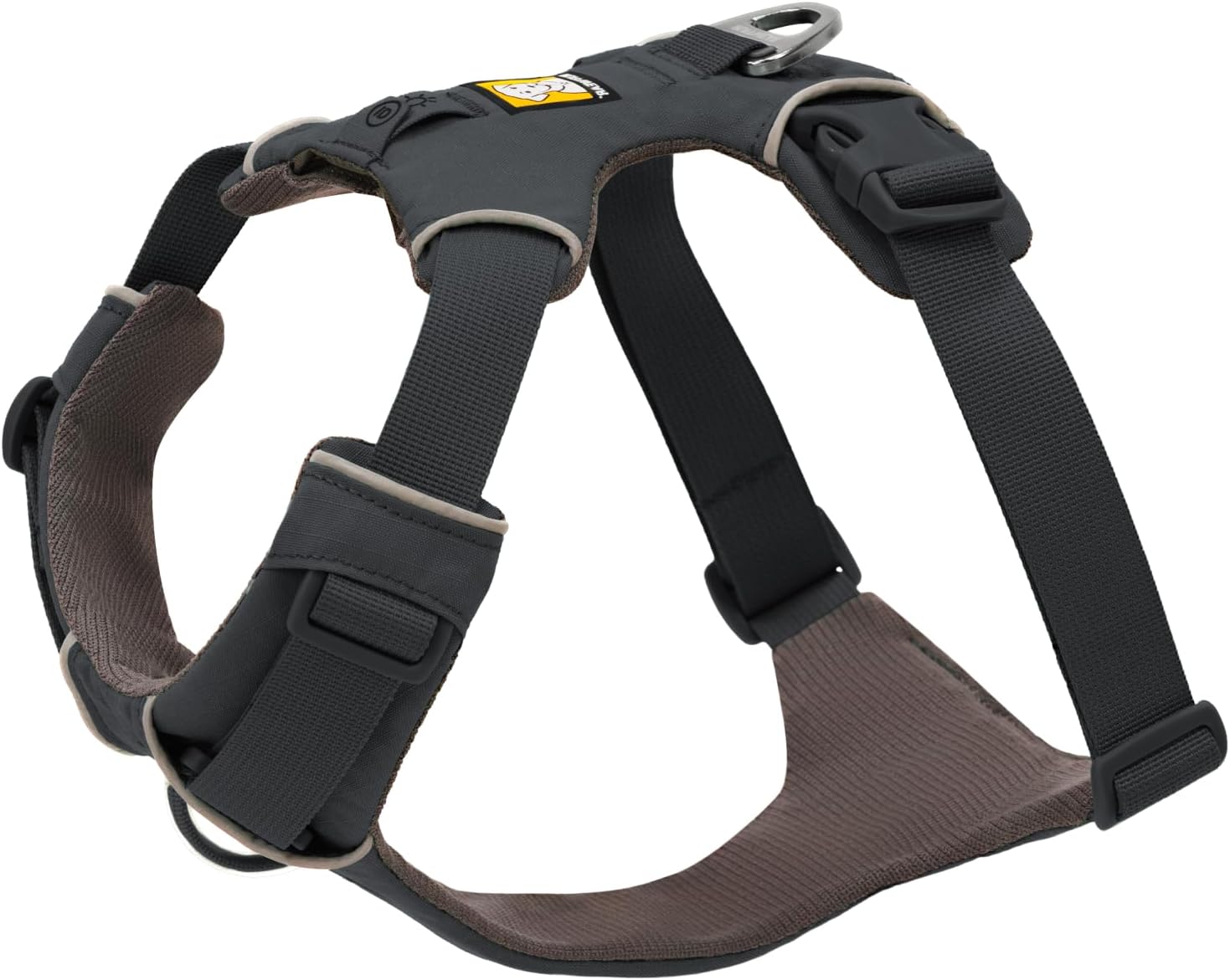
These are skills the AKC’s S.T.A.R. Puppy program checks, such as allowing someone to pet them, accepting a collar or harness and letting the owner hold them. If the harness itself worries your puppy, our guide on how to get a dog used to a harness breaks it into small steps. Handling sessions are also a good time to practice calm responses to mouthing, which our guide on how to stop puppy biting covers.
6. Car Rides and the Crate
- Short car rides that end somewhere pleasant, not only at the vet
- Time in a crate or pen with a chew toy
- Short periods alone in a quiet room
The AKC lists car rides and crates among the experiences good breeders introduce, so keep them part of the routine at home. Pair each short crate session with a chew or a meal.
How to Socialize Safely Before Full Vaccination
Unvaccinated puppies can catch serious illnesses such as parvovirus, leptospirosis and distemper from other dogs and from feces left on the ground, the AKC explains. At the same time, VCA points out that by the time the vaccine series is finished, the sensitive period for socialization is over, and waiting carries a real risk of lasting fear or anxiety. AVSAB considers it the standard of care for puppies to be socialized before they are fully vaccinated.
These steps lower the risk while your puppy is still finishing their shots:
- Choose known dogs only. Arrange playdates with puppies and adult dogs whose vaccine and health history you know, ideally at your home or theirs.
- Skip dog parks for now. VCA and the AKC both advise avoiding unvaccinated dogs and groups of unknown dogs. The AKC says the dog park can wait until 7 to 10 days after your puppy’s full series of puppy vaccinations.
- Carry or keep to clean areas. Let your puppy watch busy streets and new people from your arms or from a clean, low-traffic spot instead of sniffing ground where many dogs go.
- Pick a careful puppy class. AVSAB says puppies can generally start classes as early as 7 to 8 weeks of age, with at least one set of vaccines given at least 7 days before the first class and a first deworming. VCA adds that a good class requires vaccinated, parasite-free puppies, sends sick puppies home and uses a space that is easy to disinfect.
Not every veterinarian agrees on classes. The AKC quotes a veterinarian who prefers that puppies wait for the full vaccine series before attending classes or dog parks, while noting that other vets and trainers approve classes that screen for vaccines. Ask your veterinarian which approach fits the disease risk in your area.
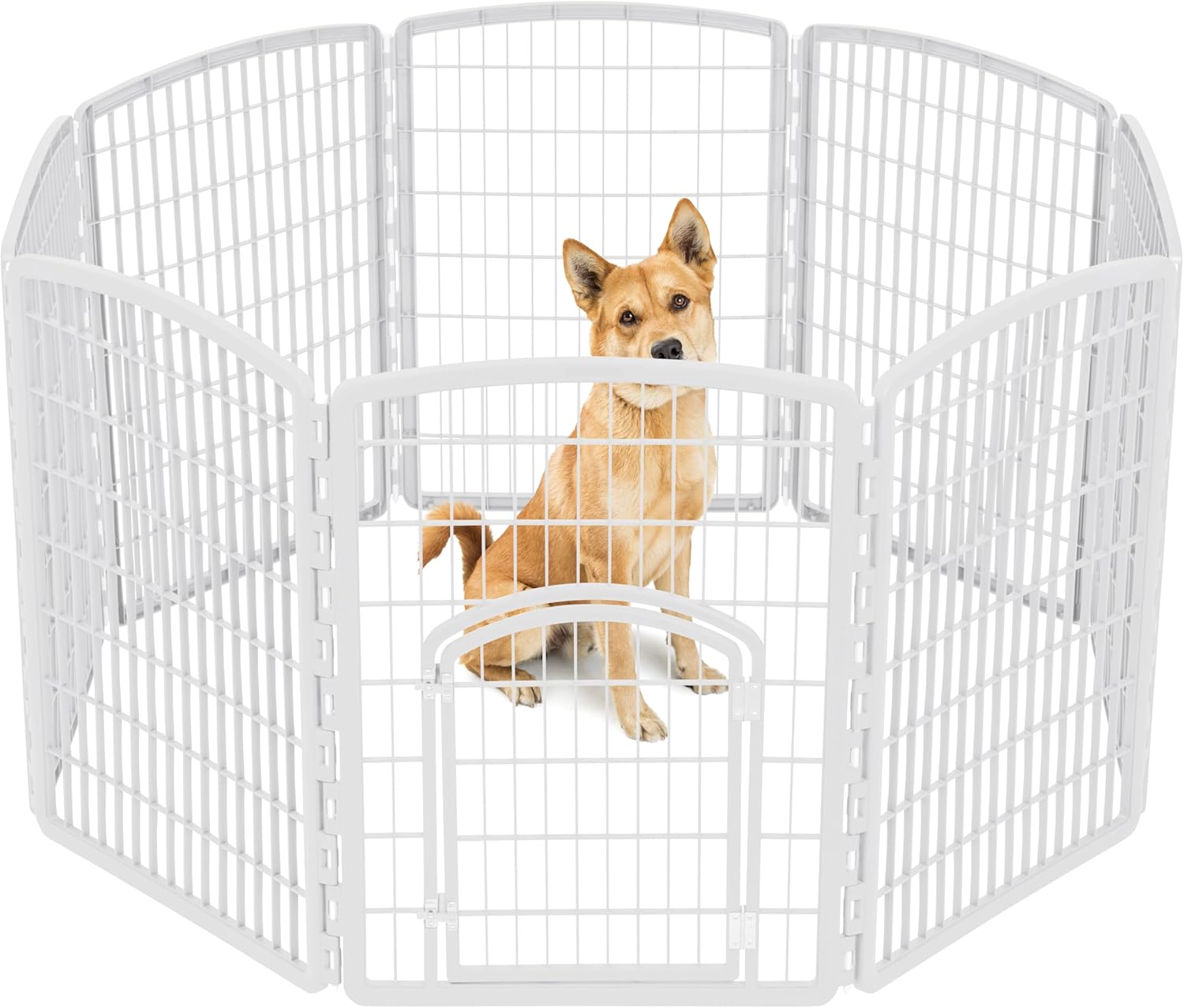
If you already have a dog at home, make sure they are up to date on vaccines first. When you are not sure how an older dog will react, a trainer quoted by the AKC suggests using baby gates or exercise pens so the two can see each other safely while you watch body language. Our comparison of a dog crate vs a playpen explains when a pen makes more sense.
Signs Your Puppy Is Overwhelmed
Socialization only works when the puppy feels safe. VCA notes that a puppy cannot get used to something while frightened, and lists signs of fear such as trembling, refusing to play or take treats, and trying to escape or pull away. A subtler sign is a puppy who takes a treat from a stranger and then backs off.
When you see these signs, calmly move your puppy farther away or take them somewhere they feel safe, and let them settle. Never push a puppy to “face their fears” or coax them closer when they are not ready, because VCA warns this can make fear worse. If your puppy is often fearful, talk to your veterinarian, who can help you find a qualified behavior professional.
Keep your own mood calm too. The AKC notes that dogs can read our emotions, so a nervous owner can make a meeting feel scarier to the puppy.
Socializing an Older Puppy
If your puppy is past the early window, or came home later, you can still help. The AKC advises slowly reintroducing new sights, smells and sounds with careful supervision, and pairing them with praise and treats. Move at the dog’s pace and keep sessions short.
Reward-based training is the backbone of this work at any age. Our guide to positive reinforcement dog training shows how to time rewards, and once your puppy is comfortable outdoors, the steps in how to leash train a puppy help turn outings into calm walks. The AKC recommends getting help from a veterinarian or animal behaviorist for severe fearfulness.
Tools That Help
Outings and introductions go more smoothly with simple gear: a light 6 ft leash, a harness sized for a small puppy, and a pen for safe first meetings with a resident dog. For more leash options, see our guide to the best dog leashes, or compare pens in the best dog playpens.

Pros
- Thin and light, sized for small dogs
- Bolt snap hook, nickel-plated zinc clasp
- 1-year limited warranty listed
Cons
- No padding on the handle
- Too thin for large or strong dogs
Pros
- Padded, per Ruffwear
- Front and back attachment points
- Maker publishes a fit guide
Cons
- Largest size stops at 42 in girth
- L/XL spans a 10 in girth range, so check the fit
Pros
- Heavy-duty molded plastic, easy to clean
- Rubber feet to protect floors
- Door built into front panel; add-on panels sold
Cons
- No ground stakes listed
- Listing gives no door size
Frequently Asked Questions
What age should you start socializing a puppy?
Start as soon as your puppy has settled into your home. AVSAB calls the first three months of life the most important time for socialization, and VCA describes a sensitive period from about 3 to 16 weeks of age.
Can I socialize my puppy before vaccinations are complete?
Yes, with care. AVSAB and VCA support early socialization in low-risk settings, such as meeting known, vaccinated dogs and attending clean puppy classes that check vaccines. Avoid dog parks and unknown dogs, and ask your veterinarian about disease risk in your area.
When can my puppy go to the dog park?
The AKC says you can take your puppy to the dog park 7 to 10 days after they have received their full series of puppy vaccinations. Keep them on a leash and stay close.
How often should I take my puppy to new places?
VCA suggests visiting new places at least twice a week, with treats and toys, starting at a distance where your puppy stays calm.
Is it too late to socialize an older dog?
No. The AKC says adult dogs can still learn to link new situations with good experiences through slow, supervised exposure and rewards. Severe fear should be handled with a veterinarian or animal behaviorist.
Sources
- American Veterinary Society of Animal Behavior: Position Statement on Puppy Socialization
- VCA Animal Hospitals: Puppy Behavior and Training, Socialization and Fear Prevention
- American Kennel Club: Puppy Socialization, Why, When, and How to Do It Right
- American Kennel Club: When Can My Puppy Meet Other Dogs?
About the author
Michael Bennett covers crate training, puppy routines and beginner-friendly dog training for Best Pet Supplies Guide, with an emphasis on reward-based methods and consistent schedules. Guides draw on the AKC, VCA Animal Hospitals and the Humane World for Animals, and point readers to a qualified trainer or veterinary behaviorist for serious or persistent behavior concerns. Michael Bennett does not hold veterinary or professional training credentials.