
4 Best Dog Clothes and Coats for Winter Walks and Indoor Warmth
Four dog coats and sweaters matched to real needs: snowy walks, active dogs, small dogs that hate pullovers and indoor warmth, plus sizing tips.
 By James Anderson
Updated November 26, 2026

The best dog clothes for winter are the ones that match your dog’s body and your weather: a waterproof or water-resistant coat for wet, snowy walks, and a sweater or fleece for mild chill and indoor warmth. Small, short-coated, lean, very young and older dogs feel the cold most, while thick-coated breeds such as Huskies and Malamutes usually stay warm on their own, according to VCA. Whatever you pick, it should let your dog walk and run freely and leave room for the leash.
Below are four picks from four brands, each matched to a different need, followed by a comparison table, a sizing guide and safety tips. Since most coats go over a harness, it helps to measure your dog the same way you would for a harness before you order.
Our Top Picks
- For cold, wet and snowy walks: QBLEEV Warm Dog Coat
- For active dogs on walks and hikes: Kurgo Loft Dog Jacket
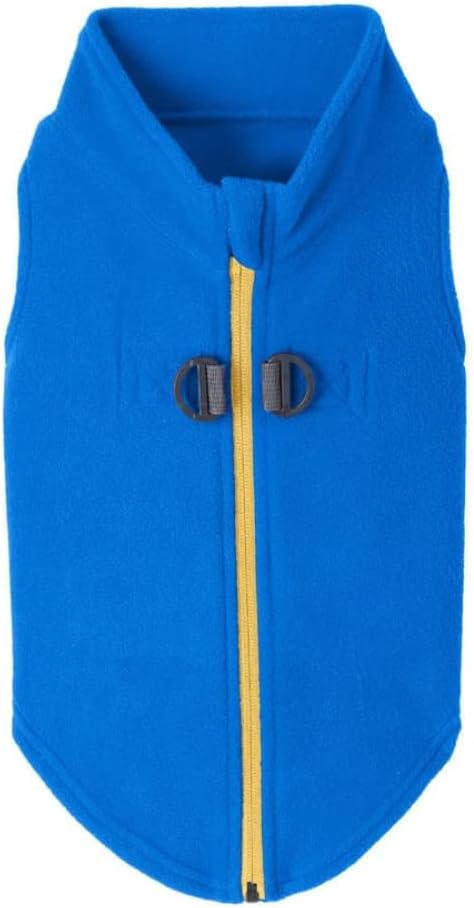
- For small dogs that hate pullovers: Gooby Zip-Up Fleece Dog Sweater
- For indoor warmth and dry, cool days: Fitwarm Thermal Knitted Turtleneck Sweater
Specs below come from each product’s Amazon listing. Words like “waterproof” are the seller’s own description, so treat them as a guide rather than a promise.
| Product | Style | Material (per listing) | Closure | Leash access | Water (per listing) |
|---|---|---|---|---|---|
| QBLEEV Warm Dog Coat | Padded winter coat | Nylon outer, fleece lining, PP cotton fill | Quick-release buckles | Hidden leash hole | Waterproof and windproof |
| Kurgo Loft Dog Jacket | Reversible vest-style jacket | Ripstop nylon shell, Polytech fill | Zipper plus hook-and-loop side straps | Zipper opening on the back | Water resistant |
| Gooby Zip-Up Fleece | Step-in fleece vest | 100% polyester fleece | Zipper | D-ring on the back (short walks) | Not water resistant |
| Fitwarm Knitted Turtleneck | Pullover sweater | 20% fleece, 80% chemical fiber knit | Pull on | None listed | Not water resistant |
Pros
- Fleece lining with padded filling
- Reflective strips and hidden leash hole
- Sizes S to XXXL
Cons
- Thick coat, remove it indoors
- Buckles and leg bands take practice

Pros
- Reversible, water-resistant ripstop shell
- Back zipper opening for the leash
- Reflective piping
Cons
- Vest style, light coverage
- Water resistant, not waterproof
Pros
- Step-in, zip-up design
- Bottom opening for potty breaks
- Machine washable
Cons
- Not water resistant
- Sized for small dogs only

Pros
- Thick turtleneck for neck warmth
- High belly cut for potty breaks
- Machine wash
Cons
- Pullover goes over the head
- Not for rain or snow
For cold, wet and snowy walks: QBLEEV Warm Dog Coat
This is the warmest pick here and the one to reach for on snowy or rainy days. A coat beats a sweater in wet weather because VCA notes that a wet dog is a cold dog, and the sizes run up to XXXL, so it also covers bigger short-coated dogs.
- Nylon outer with fleece lining and PP cotton filling; listing describes it as thickened, windproof and waterproof (Amazon listing)
- Quick-release buckle closure with adjustable fit, plus 2 hidden elastic bands for the hind legs
- Reflective strips and a hidden leash hole
- Furry collar that can stand up or fold down; 6 sizes from S to XXXL
Consider: it is a thick coat, so take it off once you are back inside, and the leg bands and buckles can take a few tries to adjust. The listing names many breeds; go by your dog’s chest and back measurements instead.
For active dogs on walks and hikes: Kurgo Loft Dog Jacket
The Loft suits a medium or large short-coated dog that walks, runs or hikes in cool, damp weather. The brand describes it as giving just enough coverage to keep an active dog warm without overheating, and the back zipper opening lets you clip a leash to a back-clip harness underneath.
- Reversible jacket with two color sides; water-resistant ripstop nylon shell with Polytech fill (Amazon listing)
- Reflective piping and a leash access zipper opening on the back
- Two hook-and-loop side adjustment points; machine wash on gentle or hand wash, air dry
- Medium fits an 18 in neck, 26 to 35 in chest and 19.75 in back; Kurgo says to size up if your dog is between sizes
- Kurgo lifetime warranty against manufacturer defects when bought new from an authorized dealer
Consider: it is a light, vest-style jacket rather than a full-coverage snowsuit, and it is water resistant, not waterproof, so long walks in heavy rain or wet snow call for something heavier.
For small dogs that hate pullovers: Gooby Zip-Up Fleece Dog Sweater
Some small dogs back away the moment a sweater goes near their head. This fleece vest is step-in: your dog steps into the leg holes and you zip it up, which makes quick potty breaks and short walks easier on cold mornings.
- 100% polyester fleece; step-in, zip-up design (Amazon listing)
- Bottom opening with armholes sized for walking and bathroom breaks
- D-ring on the back for short walks; Gooby says it is not recommended if your dog pulls
- Made for small dogs; X-Large fits about a 22.5 in chest and 11.5 in neck; machine washable
Consider: the listing marks it as not water resistant, so fleece will soak through in rain or snow. Large sizes are still cut for small breeds. If your dog pulls, clip the leash to a harness instead; our guide to no-pull dog harnesses covers good options.
For indoor warmth and dry, cool days: Fitwarm Thermal Knitted Turtleneck Sweater
A knit sweater is the simple choice for a small dog that shivers in a cool house or on a short, dry outing. VCA suggests waterproof jackets for winter protection outdoors and sweaters for added warmth indoors, and this one has a thick turtleneck and a high belly cut for potty breaks.
- Knitted pullover; 20% fleece and 80% chemical fiber (Amazon listing)
- Thick turtleneck for extra warmth at the neck
- Cut higher in the belly for potty breaks; machine wash
- Medium fits a 12 in back and 16 in chest; Fitwarm says it does not fit medium or large breeds and to follow the chest size first
Consider: it pulls on over the head, which some dogs need practice with, and knit is not water resistant, so it is not a rain or snow layer.
Does Your Dog Need a Coat?
Not every dog does. The AKC explains that large dogs with thick coats are generally protected, and breeds such as Malamutes, Newfoundlands, Bernese Mountain Dogs, Saint Bernards and Siberian Huskies were bred with insulating fur. Other dogs are less prepared for cold weather.
Dogs that often benefit from a coat or sweater include:
- Small and toy breeds, such as Chihuahuas and Yorkshire Terriers, which lose heat quickly.
- Lean breeds, such as Greyhounds and Whippets.
- Short-legged dogs, such as Dachshunds, Basset Hounds and Corgis, whose bellies touch snow and ice.
- Dogs with clipped coats, such as Poodles, and hairless breeds.
- Puppies, seniors and dogs with health issues; VCA lists diabetes and kidney disease, and the AKC mentions chronic conditions like arthritis.
The AKC article quotes a veterinarian who says there is no exact temperature that is too cold for every dog; as a general rule, if the windchill is below 20 degrees, keep playtime to short 15 to 20 minute sessions and let your dog warm up inside. Older dogs with stiff joints may feel the cold more, so watch for the signs of dog arthritis and talk to your veterinarian if you are unsure whether your dog needs a coat.
How to Measure for a Dog Coat
Sizing differs a lot between brands, so measure rather than guessing from breed names. VCA’s measuring steps are:
- Back length: use a soft tape from the base of the neck to the base of the tail.
- Chest: measure around the widest part of the chest, just behind the front legs.
- Neck: some coats and sweaters also need the neck circumference.
Then compare the numbers with the maker’s size chart. The chest is usually the measurement that decides the size; Kurgo, for example, says to size up when a dog falls between sizes. A coat should cover the back, chest and belly while letting your dog move freely, and it should be neither tight nor loose.
How to Choose
- Match the weather. The AKC describes lightweight jackets for cool days, insulated jackets for snow and very cold weather, raincoats for wet climates and full-body snowsuits for the most coverage. Many dogs do well with one light layer and one heavier coat.
- Look for leash access. A hole or zipper opening lets you wear the coat over a back-clip harness. If you are still choosing between gear, see harness vs collar, and pair the coat with one of our recommended dog leashes.
- Check visibility. Reflective trim helps drivers see you on dark winter mornings and evenings, according to the AKC.
- Think about bathroom breaks. A high belly cut or sanitary opening keeps the coat cleaner.
- Pick easy care. Machine-washable fabric makes regular washing realistic.
- Consider how your dog dresses. Step-in and buckle designs avoid pulling anything over the head.
Safety Tips
- Supervise. The AKC says dogs should always be supervised while wearing clothes, and clothes should come off when a dog is crated or left alone, because they can snag and become a choking hazard.
- Change wet clothes. A soaked sweater holds cold against the body. Swap it for a dry layer or take it off and dry your dog.
- Know the cold signs. Whining, shivering, lifting the paws or refusing to keep walking mean it is time to get your dog somewhere warm, per VCA. Also watch for panting or drooling, which can signal overheating in a coat.
- Introduce it slowly. Let your dog sniff the coat, reward calm behavior, and build up wear time at home first. The same reward-based steps in getting your dog used to a harness work well for coats.
- Wash it regularly. The AKC notes that coats collect hair and dander and can grow bacteria if put away damp after snow, so wash and dry them fully. The tips in our guide to washing a harness and leash also help keep the rest of the winter walking gear clean.
Frequently Asked Questions
Do dogs really need coats in winter?
Some do and some do not. Small, lean, short-legged, short-coated, clipped, very young, senior and some ill dogs benefit most, while thick-coated breeds like Huskies and Malamutes usually do not need one. Ask your veterinarian if you are unsure whether your own dog needs one.
Is a sweater or a coat better for a dog?
A waterproof or water-resistant coat is better outdoors on rainy or snowy days, because a wet dog gets cold. A sweater works for added warmth indoors or on dry, mild days.
How should a dog coat fit?
It should cover the back, chest and belly and let your dog walk, run and play freely. It should not be so tight that it restricts movement or so loose that your dog can trip or get caught on it.
Can a dog wear a sweater while home alone or in the crate?
No. The AKC advises removing clothes when a dog is crated or unattended, because clothing can snag and become a choking hazard.
How often should you wash a dog coat?
Wash it regularly, especially if your dog wears it often, and never store it damp. Coats collect hair and dander and can grow bacteria if put away wet after snow.
Conclusion
For snowy, wet walks and bigger dogs, the QBLEEV Warm Dog Coat is the warmest option here. Active dogs that need a light layer over a harness are a good match for the Kurgo Loft Dog Jacket. Small dogs that dislike pullovers will find the step-in Gooby Zip-Up Fleece easier, and the Fitwarm knitted turtleneck is a simple choice for indoor warmth and dry, cool days. Measure your dog first, and keep an eye out for signs that your dog is too cold or too warm.
Sources
- American Kennel Club: Does My Dog Need a Winter Coat?
- American Kennel Club: How to Get Your Dog Comfortable Wearing Clothes for Hot and Cold Weather
- VCA Animal Hospitals: Do Dogs Need Coats in the Winter?
- VCA Animal Hospitals: Cold Weather Safety for Your Pets
About the author
James Anderson covers harnesses, collars, leashes and calmer daily walks for Best Pet Supplies Guide. Guides compare fit and design using manufacturer sizing charts and walking guidance from the AKC and veterinary sources. The content is general information and is not a substitute for advice from a veterinarian or qualified behavior professional; James Anderson does not hold veterinary or training credentials.